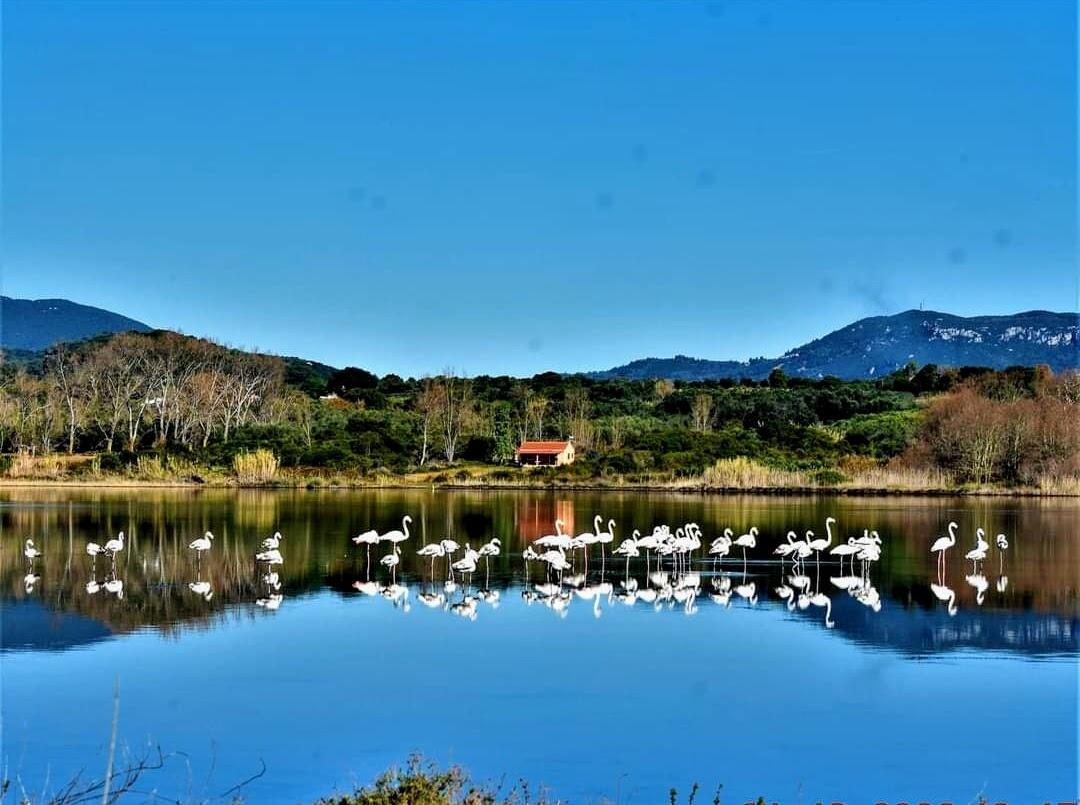
Lake Korission (3km)
The most important wetland of Corfu covers 6,000 acres and hosts many different ecosystems: the cedar forest, the lake, the sand dunes and rare species of plants and birds including cormorants and flamingos. The Lake is a magical, tranquil and invaluable wildlife sanctuary and has joined the Natura 2000 Network to protect this rich fauna and flora.
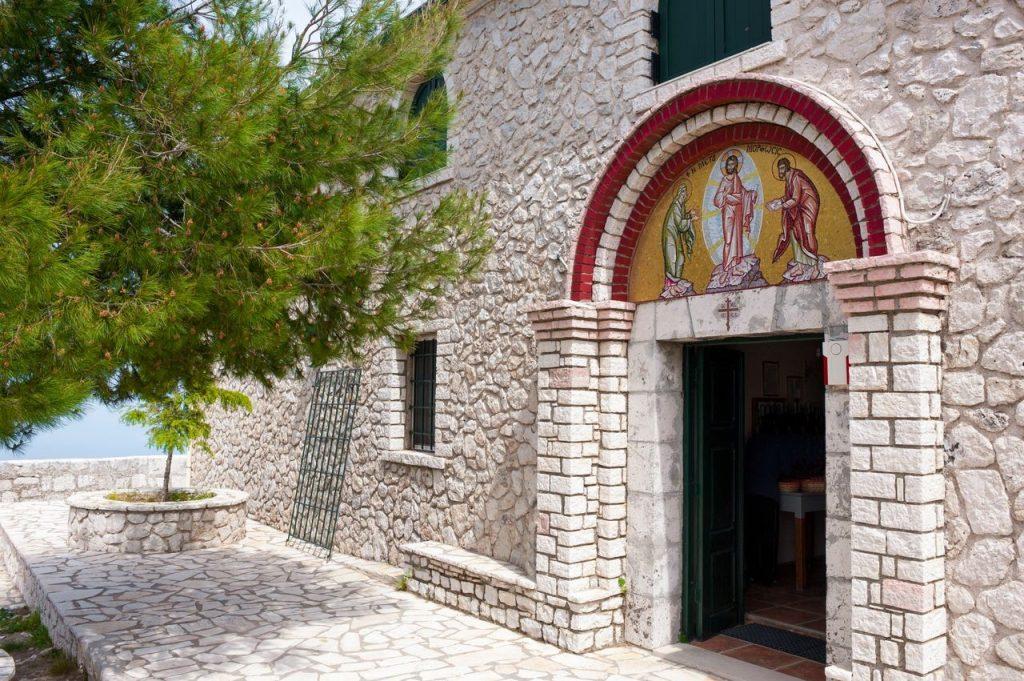
Holy Monastery of Pantokrator (3km)
Built on the slope of the mountain dates to the early 14th century. In the area there are various abandoned buildings as well as the church of the Pantocrator. The church is of royal style with arched doors, windows, and a sloping roof. It celebrates solemnly all night on August 6th. According to the legend, the weddings of Jason and Medea took place on the plateau where the Monastery is located today, a fact which is the reason for the second name of the mountain "Wedding Mountain".
The route to the green mountain Pantokrator but also the view from the top, where the Holy Monastery is located, is another reason to visit it.
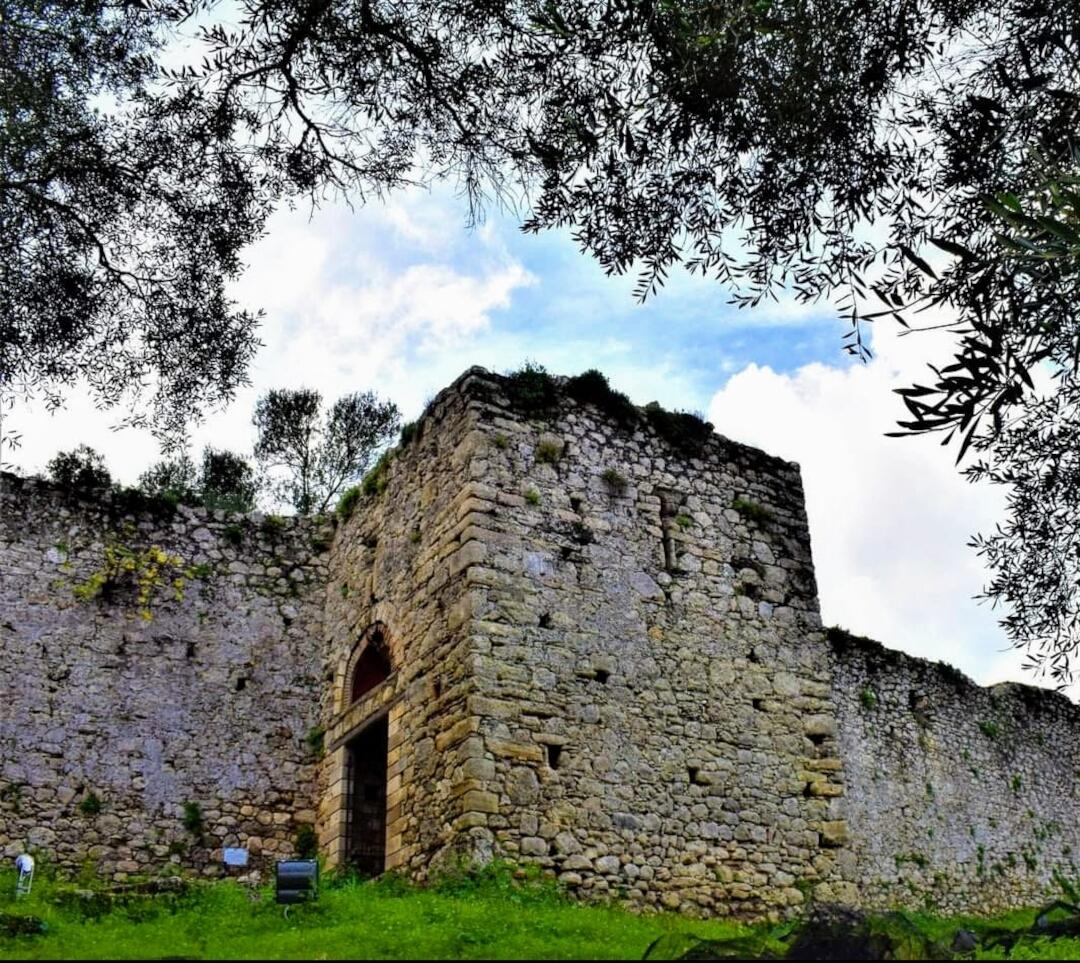
Gardiki Castle (2km)
The only surviving medieval fortress in the southern part of the island. It is an octagonal Byzantine castle, with eight towers and three gates, built in the 13th century by a lord of the Despotate of Epirus and was one of the three castles that defended the island before the Venetian era.
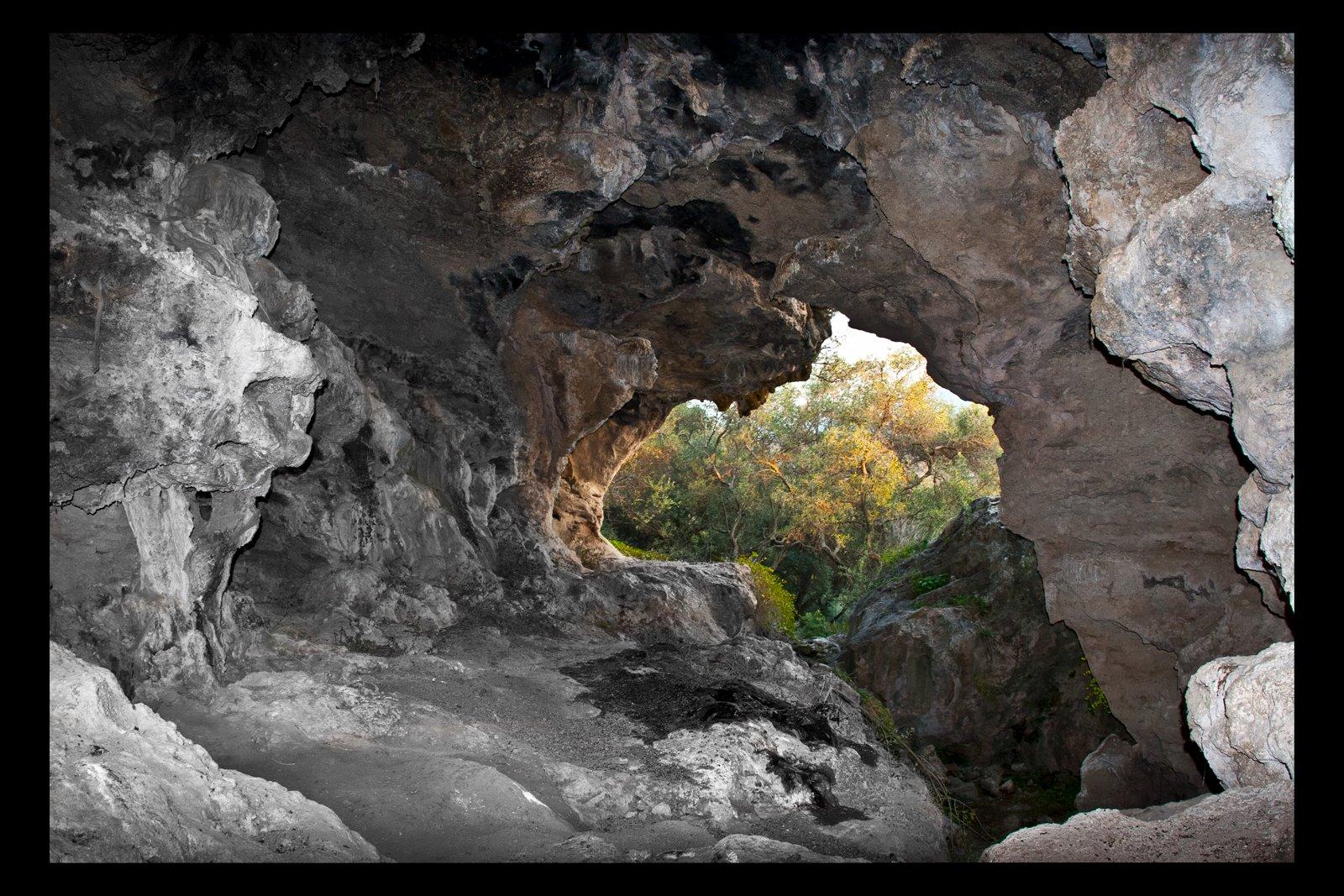
Grava Cave (2km)
The Cave of Grava or Loutson is located on the southern slope of Mount Pantokrator at 300 m from the Byzantine fortress of Gardiki. Its characteristic points are the imposing, vertical walls as well as the roof full of geological formations. With a wonderful view to the entire southern part of the island, it is a particularly important historical point as the oldest human "home" in Corfu, since it dates from 20,000 BC.